
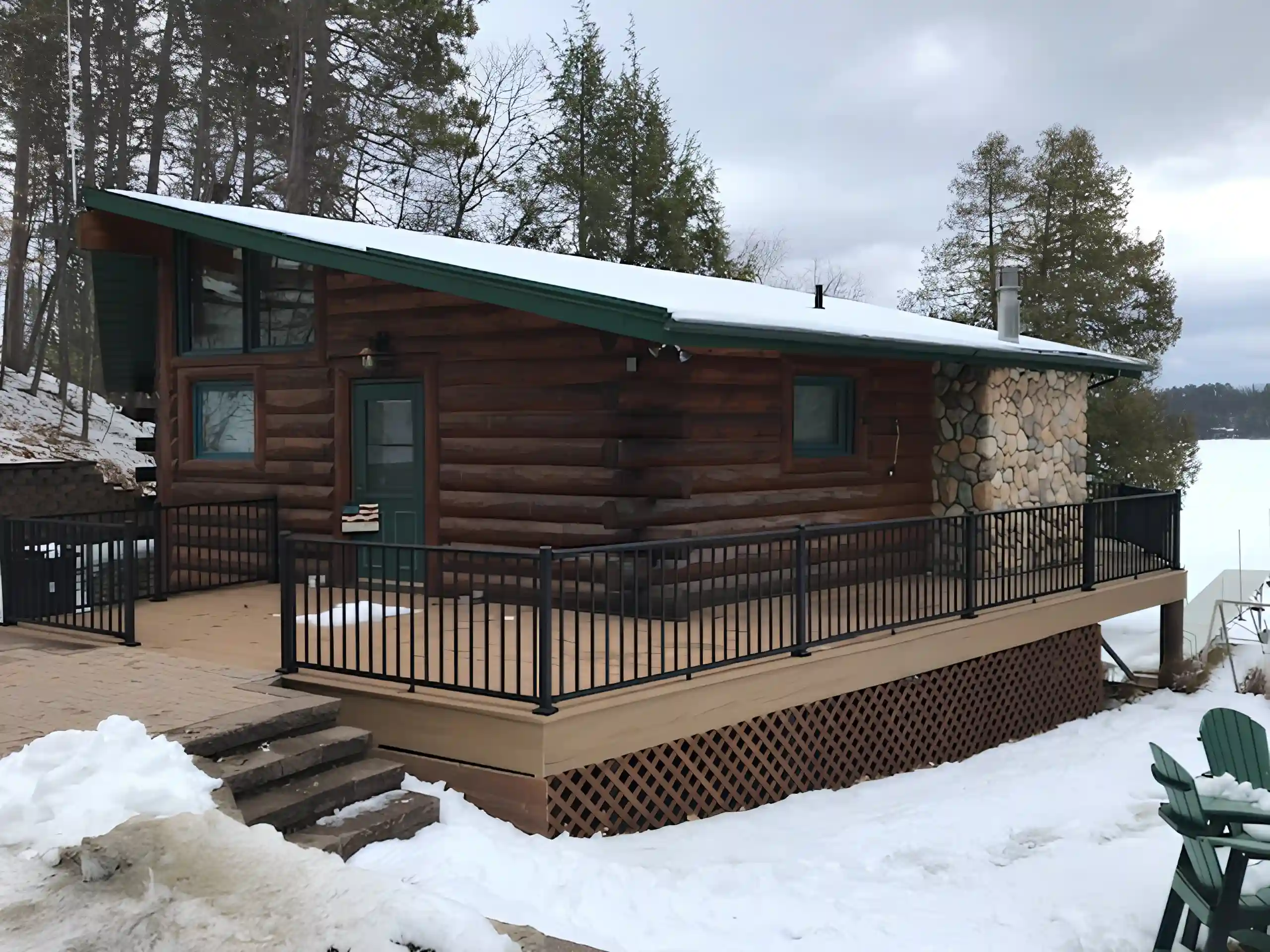
In a rush? Read this first.
For cabin owners deciding on composite vs. wood decks in Minnesota, the choice depends on lifestyle, maintenance tolerance, and long-term costs. At LakeLife Homes Inc, we install both throughout the Brainerd Lakes area. This guide compares material performance, upkeep, and aesthetics, so you can make the best investment for your space.
In Cabin Country, your deck is the place where summer mornings start with coffee and, in the afternoon, your kids or grandkids cannonball off the dock. But between harsh winters and seasonal use, deck materials don’t perform the same here as they do elsewhere. Choosing between composite and wood decks in Minnesota involves weighing the short-term cost against the long-term value, upkeep, and performance.
At LakeLife Homes Inc, we’ve been building in the Brainerd Lakes area since 2014. We’re not here to upsell. We’re here to help you avoid regret. Whether it’s your lake home, legacy cabin, or a long-overdue remodel, we’ll help you make the right call for your time, your space, and your investment.
How Does Minnesota Weather Impact Decking Choices?
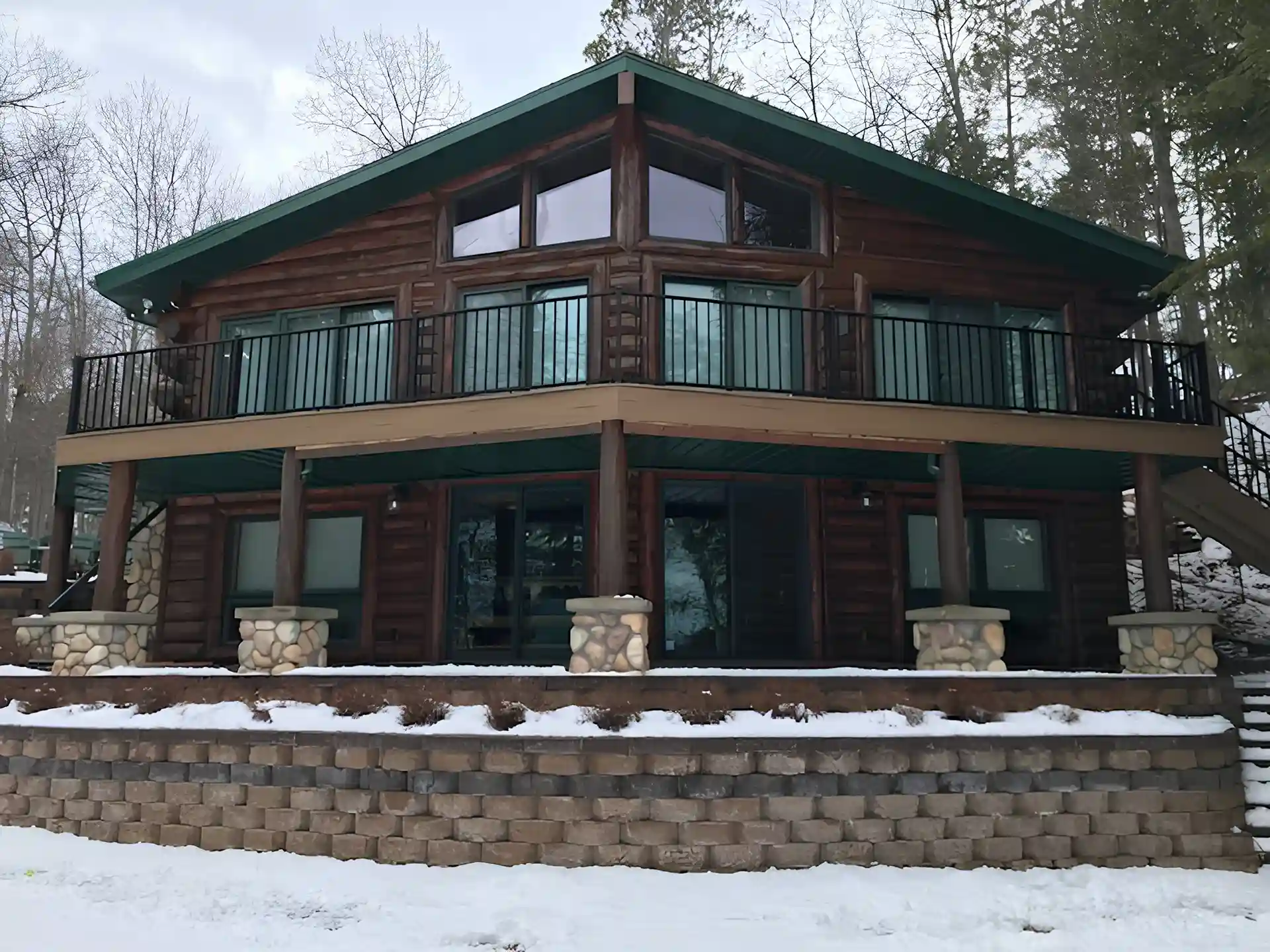
Snow, sun, and moisture hit different in the northwoods. Cabin owners need materials that can keep up with freeze-thaw cycles and weeks of standing snow.
- Composite Handles Moisture Year-Round: High-quality composite boards resist mold, mildew, and moisture better than wood. They don’t soak in water during snowmelt or spring rains.
- Wood Reacts to Seasonal Changes: Cedar and pressure-treated wood expand and contract with moisture, which leads to cracking, warping, and maintenance calls.
- Composite Holds Shape and Slope: Composite boards stay more stable over time, holding their pitch and alignment better through temperature swings.
- Sunlight Fades Both: Composite boards retain color longer, though dark shades can get hot in full sun. Wood grays unless regularly sealed.
What Maintenance Do These Materials Really Require?
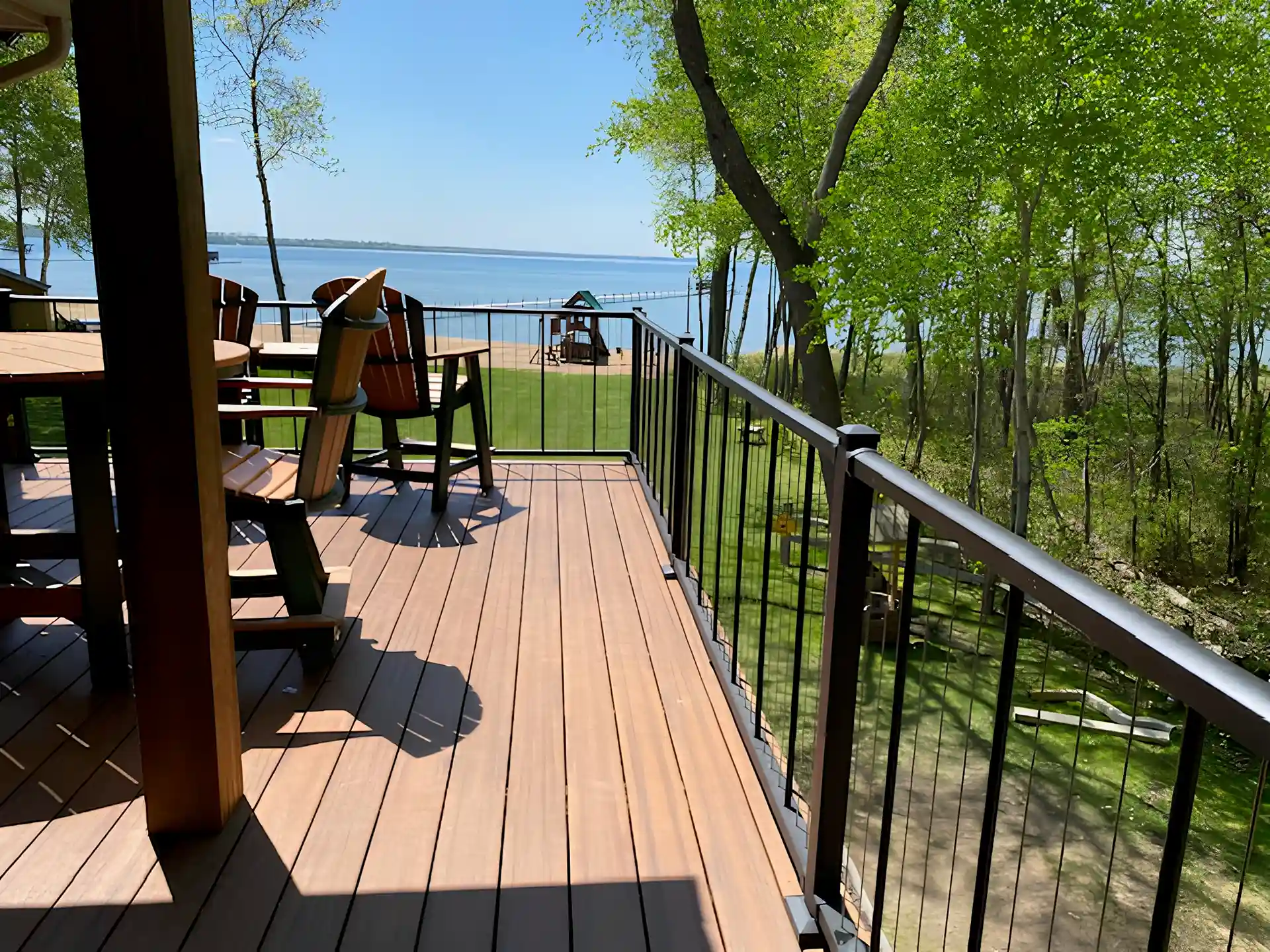
Cabin owners want to spend time relaxing, not sanding, sealing, or power washing. The right material saves hours and headaches over the years.
- Wood Needs Regular Upkeep: Even cedar-tone treated wood needs staining every 1 to 2 years to prevent surface wear and fading.
- Composite Is Nearly Maintenance-Free: Composite decking only needs a rinse a few times a season. No stain, no sealers, no splinters.
- Wood Shows Its Age Quicker: Within 5 years, wood decking will likely need spot replacements and touch-ups.
- Composite Keeps Its Shape Longer: Most composite decks hold up over 20 years with minimal work.
How Do These Decking Options Look on Lake Homes?
Cabin decks should feel like part of the land, not an afterthought. Choosing between composite and wood means weighing visual impact, maintenance, and how you actually use your space in the Brainerd Lakes area.
- Wood Offers Natural Warmth: Cedar and cedar-tone treated wood blend with older cabins, log structures, and rustic lake homes. If you love the look of real grain and aging wood, it may be the right fit.
- Composite Looks Clean and Consistent: With precise lines and uniform color, composite works well on cabins with modern updates or remodeled exteriors.
- White Cedar Railings Bridge Both Worlds: At LakeLife Homes Inc, we often pair composite decking with handcrafted white cedar railings. You get the low-maintenance durability of composite and the cabin feel of natural wood without the bug problems and stain upkeep of red cedar.
- Wood Grays Naturally, Composite Holds Color: Untreated wood fades to silver-gray over time. Composite colors last longer, which can matter on high-exposure decks.
- Choose Wood for Budget and Flexibility: Wood still makes sense for seasonal-use cabins or when staying within a tighter upfront budget.
- Choose Composite for Long-Term Ease: If you’re planning to keep the cabin for years or want to rent it without the hassle of annual upkeep, composite saves time and cost over the long run.
At LakeLife Homes Inc, we don’t push one material over another. We’ll help you weigh the trade-offs based on how your deck looks, performs, and lasts — and then we’ll build it right.
How Does the Price of Wood vs. Composite Decking Compare Over Time?
Cabin owners often weigh the upfront cost of wood against the long-term savings of composite. The total cost of ownership tells the full story.
- Wood has a Lower Starting Cost: Pressure-treated wood costs less to install, especially if you’re keeping the original frame.
- Composite Costs More Initially: Composite boards and hardware drive up the starting price, especially with hidden fasteners.
- Wood Adds Hidden Costs: Staining, sealing, and replacing damaged boards add up fast, especially if your deck sees heavy use.
- Composite Pays Back Over Time: For clients planning to keep their cabin for 10+ years, composite often wins on total cost.
Choose the Right Deck with LakeLife Homes Inc
When you’re comparing composite vs. wood decks in Minnesota, what you’re really asking is how much time, effort, and cost you want to spend keeping your space beautiful. At LakeLife Homes Inc, we build decks that last and guide our clients through real choices without pressure. If you’re ready to explore what’s best for your cabin and your lifestyle, schedule a free estimate today.
Composite vs. Wood Decks in Minnesota FAQs
Which decking lasts longer in Minnesota conditions?
Composite decking typically lasts longer because it resists rot, insects, and moisture. Most high-end composite brands are rated for 25 to 30 years.
Is composite decking too hot for bare feet?
Some darker composite boards can retain heat, but manufacturers now offer cooler technology. We help you choose a finish that fits your sun exposure.
Can composite deck boards be installed over my existing wood frame?
Yes, but there can be issues, so we inspect the frame for spacing, rot, and structural integrity before resurfacing with composite decking.
Do composite decks look fake?
Not anymore. Modern composite options from TimberTech and Trex have realistic woodgrain textures and color variation that look great in lake settings. The innovation in the composite decking industry continues to improve the look and durability of the deck boards.
What decking is best for cabins?
It depends on how often you’re at the cabin, what kind of upkeep you’re willing to do, and how long you plan to own the home. We help you weigh every factor before deciding.